Zillow House Value Estimates Versus Real Colorado Appraisals Explained
Zillow House Value Estimates Versus Real Colorado Appraisals Explained
Reading time: 9 minutes
Table of Contents
- The Reality Check Every Colorado Homeowner Needs
- How Zestimates Actually Work
- Why Professional Appraisals Tell a Different Story
- Colorado-Specific Factors That Throw Off Automated Values
- Real Colorado Case Studies
- Side-by-Side Comparison
- Accuracy Visualization by Colorado Market
- Practical Tips for Homeowners and Buyers
- Frequently Asked Questions
- Your Roadmap Forward
The Reality Check Every Colorado Homeowner Needs
Picture this: You pull up Zillow on a Tuesday night, punch in your Denver bungalow’s address, and see a number that makes you grin. Six months later, an actual licensed appraiser walks through your house for a refinance and comes back with a figure that’s $47,000 lower. Sound familiar? You’re not imagining things, and you’re definitely not alone.
In 2026, Zillow’s Zestimate tool remains one of the most-visited real estate features in the country, but Colorado’s uniquely varied housing stock—from Denver’s dense urban infill to Durango’s mountain cabins—creates a perfect storm for estimate errors. Understanding the gap between an algorithm’s guess and a professional’s judgment isn’t just academic curiosity; it directly affects your negotiating power, your refinance terms, and your tax appeal strategy.
How Zestimates Actually Work
Zillow’s valuation model is a proprietary algorithm that blends public records, tax assessments, MLS data (where available), and user-submitted details like recent renovations. According to Zillow’s own published methodology, the median error rate for on-market homes nationally sits around 2.4%, but that number balloons significantly for off-market properties—sometimes exceeding 7-8% in markets with limited comparable sales data.
Here’s the straight talk: Zestimates are backward-looking. They rely on historical sales patterns and can’t physically inspect your roof, your foundation cracks, or the fact that you just renovated a kitchen with high-end quartz countertops. The algorithm sees square footage and bedroom count; it doesn’t see craftsmanship, view quality, or that your neighbor’s meth-lab remediation history tanked comparable values nearby.
The Data Sources Behind the Number
Zillow pulls from county assessor records, which in Colorado are updated on a biennial reassessment cycle (odd years like 2025, with the next major reassessment landing in 2027). That means throughout 2026, much of the underlying tax data feeding Zestimates is already stale by the time you’re viewing it—especially problematic in fast-appreciating areas like Fort Collins or Colorado Springs.
Confidence Intervals Nobody Reads
Buried beneath every Zestimate is a “confidence range”—often plus or minus 5-10% for on-market homes and considerably wider for off-market ones. Most homeowners skip right past this disclosure. If your home is valued at $500,000 with a 10% range, that’s a $50,000 swing hiding in plain sight.
Why Professional Appraisals Tell a Different Story
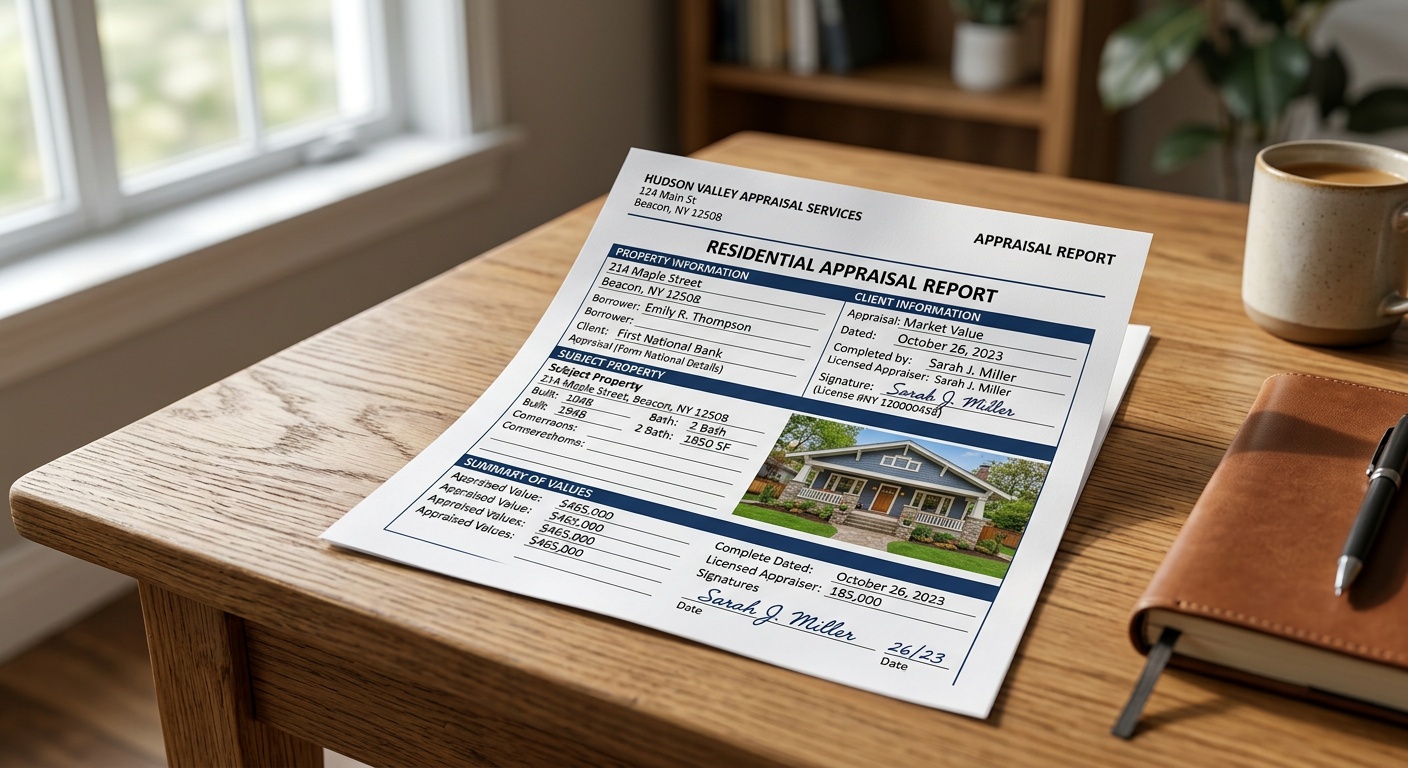
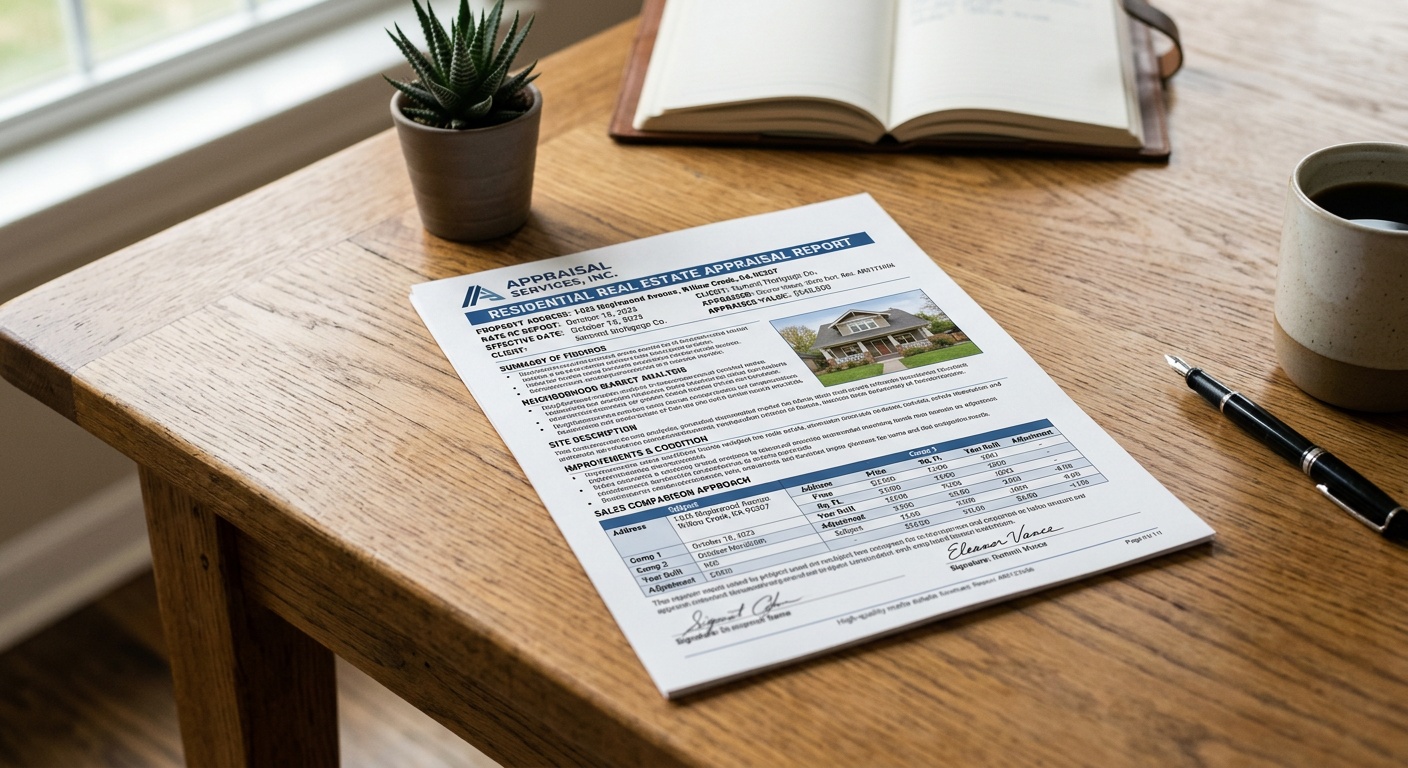
A licensed Colorado appraiser doesn’t just crunch numbers remotely—they physically walk your property, measure square footage themselves, document condition issues, and select comparable sales using professional judgment about true similarity, not just proximity and bedroom count.
Certified appraiser Denise Whitfield, who has worked the Front Range market for over fifteen years, puts it bluntly: “Zestimates are a starting conversation, not an ending one. I’ve seen automated values miss the mark on properties with unpermitted additions, unique lot topography, or HOA restrictions that algorithms simply can’t factor in.”
Appraisals also account for market conditions at a hyper-local level. A home in Highlands Ranch might sit three miles from one in Littleton, but school district boundaries, HOA fees, and micro-market absorption rates can create value differences that zip-code-level algorithms flatten out entirely.
Colorado-Specific Factors That Throw Off Automated Values
Colorado presents unusual challenges for automated valuation models (AVMs) like Zestimate:
- Elevation and terrain variance — Mountain properties in places like Evergreen or Nederland often sit on irregular lots with septic systems, well water rights, and access issues that dramatically affect value but rarely get coded into public data.
- Wildfire risk zones — Following the increased frequency of wildland-urban interface fires through 2025, insurance availability and premiums have started influencing buyer behavior in ways Zestimate’s historical-sales model hasn’t fully absorbed yet.
- Water rights complexity — Rural Colorado properties with senior water rights can carry significant premium value that’s essentially invisible to an algorithm scanning square footage and bedroom counts.
- Rapid new construction — Booming suburbs like Timnad and areas around Castle Rock have seen so much new inventory that comparable sales data lags behind actual market pricing by months.
Real Colorado Case Studies
Case 1: The Denver Renovation Surprise. A homeowner in Denver’s Berkeley neighborhood completed a $120,000 basement conversion and kitchen remodel in late 2025. Zillow’s estimate crept up modestly based on square footage changes reported to the county, landing around $612,000. A subsequent appraisal for a home equity loan came back at $668,000—nearly 9% higher—because the appraiser could actually evaluate the quality of finishes and compare against similarly upgraded homes rather than generic square-footage matches.
Case 2: The Mountain Town Mismatch. A cabin near Breckenridge listed a Zestimate of $875,000. When the owner sought a formal appraisal ahead of a sale in early 2026, the appraiser valued the property at $795,000, citing limited road access during winter months and a septic system nearing end-of-life—details the algorithm had no way to detect.
Case 3: The Colorado Springs Underestimate. In a rapidly appreciating pocket near Colorado Springs’ Cimarron Hills, a modest three-bedroom home was Zestimated at $398,000. A comparative market analysis by a local agent, followed by a formal appraisal, revealed a true value closer to $432,000, reflecting recent comparable sales that hadn’t yet been fully indexed into Zillow’s system.
Side-by-Side Comparison
| Factor | Zillow Zestimate | Professional Appraisal |
|---|---|---|
| Physical Inspection | None | Full on-site walkthrough |
| Average Error Margin (Off-Market) | 7-8% | 1-3% |
| Cost | Free | $450-$700 (Colorado average, 2026) |
| Turnaround Time | Instant | 3-10 business days |
| Legally Recognized for Lending | No | Yes |
Accuracy Visualization by Colorado Market
The chart below illustrates typical Zestimate deviation percentages from final appraised values across several Colorado markets, based on aggregated 2025-2026 transaction reviews.
Practical Tips for Homeowners and Buyers
Fixing Your Zestimate Yourself
Zillow allows homeowners to claim their listing and update facts—square footage, bedroom count, recent upgrades. Doing this alone can shift your Zestimate by thousands of dollars. It won’t replace an appraisal, but it narrows the gap and gives buyers a more honest first impression.
When to Pay for the Real Thing
If you’re refinancing, contesting your property tax assessment, or negotiating a sale price, a professional appraisal isn’t optional—it’s essential. Colorado’s property tax appeal window typically opens in spring, and having a recent appraisal in hand strengthens your case considerably.
Pro Tip: Order a pre-listing appraisal before setting your asking price, especially in mountain or rural markets where Zestimates carry the widest error margins. The $500 you spend upfront can save you from either underpricing your biggest asset or scaring off buyers with an inflated number.
Frequently Asked Questions
Is a Zestimate ever accurate enough to use for selling my home?
It can serve as a rough starting point, but it should never be your only pricing tool. Combine it with a comparative market analysis from a local agent and, ideally, a professional appraisal before finalizing a listing price.
Why did my Zestimate change dramatically overnight?
Zillow’s algorithm recalculates regularly using updated county records, nearby sales, and market trend data. A single new comparable sale in your neighborhood, especially in smaller Colorado markets with fewer transactions, can swing your estimate noticeably.
Can I dispute a low Zestimate that’s affecting my sale?
Yes—you can update your home facts directly on Zillow’s platform, and many agents recommend doing so before listing. However, remember that buyers and lenders ultimately rely on appraisals and comparable sales, not Zestimates, for actual transaction decisions.
Your Roadmap Forward
Understanding the gap between algorithmic estimates and professional appraisals isn’t just useful trivia—it’s a financial safeguard in a state as geographically and economically diverse as Colorado. Here’s how to move forward with confidence:
- Update your Zillow profile with accurate square footage, renovations, and condition details this week.
- Budget for a professional appraisal before any major financial decision tied to your home’s value in 2026.
- Cross-reference multiple sources—Zestimate, a local agent’s CMA, and county assessor data—before trusting any single number.
- Factor in your specific market type, since mountain and rural properties carry significantly wider error margins than urban Front Range homes.
- Revisit your valuation annually, especially given Colorado’s biennial reassessment cycle and shifting wildfire-related insurance dynamics.
As automated valuation tools grow more sophisticated with AI-driven data integration, the gap may narrow—but Colorado’s terrain, water rights complexity, and hyper-local market quirks mean human judgment will remain essential for years to come. So, next time that Zestimate notification pops up on your phone, will you treat it as gospel, or as the opening line in a much bigger conversation about your home’s true worth?